

From Everyday Bhindi to Premium Snack: Indian Man’s Viral US Supermarket Discovery Sparks Debate
An Indian man was left stunned after finding bhindi sold as a premium snack in a US supermarket. The viral video has sparked hilarious reactions and highlighted the surprising global transformation of a common Indian vegetable


From Kitchen Staple to Luxury Snack: How Bhindi Shocked an Indian Shopper in the US
For most Indians, bhindi (okra) is one of the most ordinary vegetables imaginable. It appears regularly on dinner tables, is sold at affordable prices in local markets, and rarely attracts a second glance. But a recent viral video from the United States has completely changed that perception, leaving social media users amused, surprised, and slightly jealous.
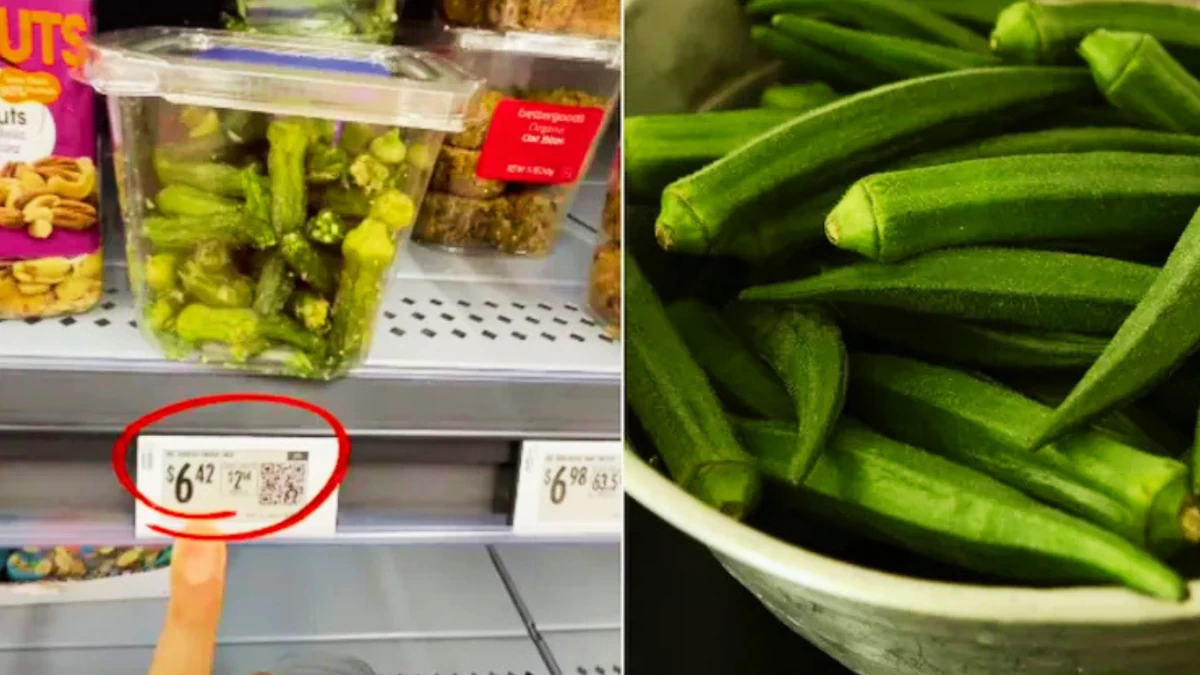
An Indian content creator living in the US recently stumbled upon something unexpected while shopping at a supermarket: a tiny packet of fried bhindi being marketed as a premium snack. What caught his attention wasn't the product itself—it was the price tag attached to it.
The Bhindi That Broke the Internet
In the now-viral video, the creator showed a packet containing just 85 grams of crispy fried okra priced at around $6.50 (approximately ₹600). Curious, he calculated the per-kilogram cost and discovered that it would amount to nearly ₹7,200 per kg. The comparison immediately caught people's attention because bhindi in India is commonly available at a fraction of that price.
Standing in the snack aisle, surrounded by large packets of chips costing significantly less, he couldn't hide his disbelief. The contrast between a humble vegetable and its premium packaging became the perfect recipe for viral content.
When an Ordinary Vegetable Gets a Luxury Makeover
The story isn't really about bhindi. It's about how products transform when they cross borders.
In India, bhindi is viewed as an everyday vegetable used in home-cooked meals. In the United States, however, the same ingredient has been reimagined as a healthy, ready-to-eat snack aimed at consumers looking for nutritious alternatives to traditional chips. Once cleaned, seasoned, fried, packaged, branded, and placed on supermarket shelves, the familiar vegetable suddenly acquires an entirely different identity—and price.
This transformation highlights how value is often shaped not just by the product itself, but by convenience, marketing, packaging, and consumer demand.
Social Media Had the Best Reactions
The internet quickly embraced the story. Many users joked that bhindi had received a "promotion" after moving abroad. Others laughed at the idea that a vegetable many children avoid eating at home could become a premium snack overseas.
One line from the viral post particularly resonated with viewers: bhindi was described as charging a "personality tax" after its glamorous transformation into a health snack. The phrase perfectly captured the absurdity and humor of the situation.
A Lesson in Global Food Culture
The viral moment also serves as a reminder of how food cultures differ around the world. Ingredients that are commonplace in one country can become exotic, trendy, or premium products in another.
Whether it's Indian spices sold as gourmet products abroad, imported mangoes marketed as luxury fruit, or now bhindi being packaged as a high-end snack, globalization continues to reshape the way people view everyday foods. What seems ordinary to one culture can feel exciting and unique to another.
More Than Just a Funny Video
Beyond the laughs, the story reflects a larger truth about consumer behavior. People are often willing to pay more for convenience, health-focused alternatives, and products that fit modern lifestyles. The expensive bhindi snack isn't just selling a vegetable—it's selling a ready-made experience.
For Indians watching the video, however, the reaction was simple: disbelief that a vegetable found in nearly every neighborhood market could someday be considered a luxury item.
And perhaps that's what made the story so relatable. Sometimes, all it takes is a packet of bhindi in a foreign supermarket to remind us how differently the world can view the things we take for granted.
What's Your Reaction?
 Like
0
Like
0
 Dislike
0
Dislike
0
 Love
0
Love
0
 Funny
0
Funny
0
 Wow
0
Wow
0
 Sad
0
Sad
0
 Angry
0
Angry
0

















Comments (0)