

PoK Protest Leaders Challenge Pakistan, Demand Trade Access Through India Amid Growing Unrest
Protest leaders in Pakistan-occupied Kashmir (PoK) have intensified their criticism of Pakistan's administration, demanding greater autonomy and calling for trade routes with India if economic concerns remain unaddressed. The development highlights growing unrest in the region

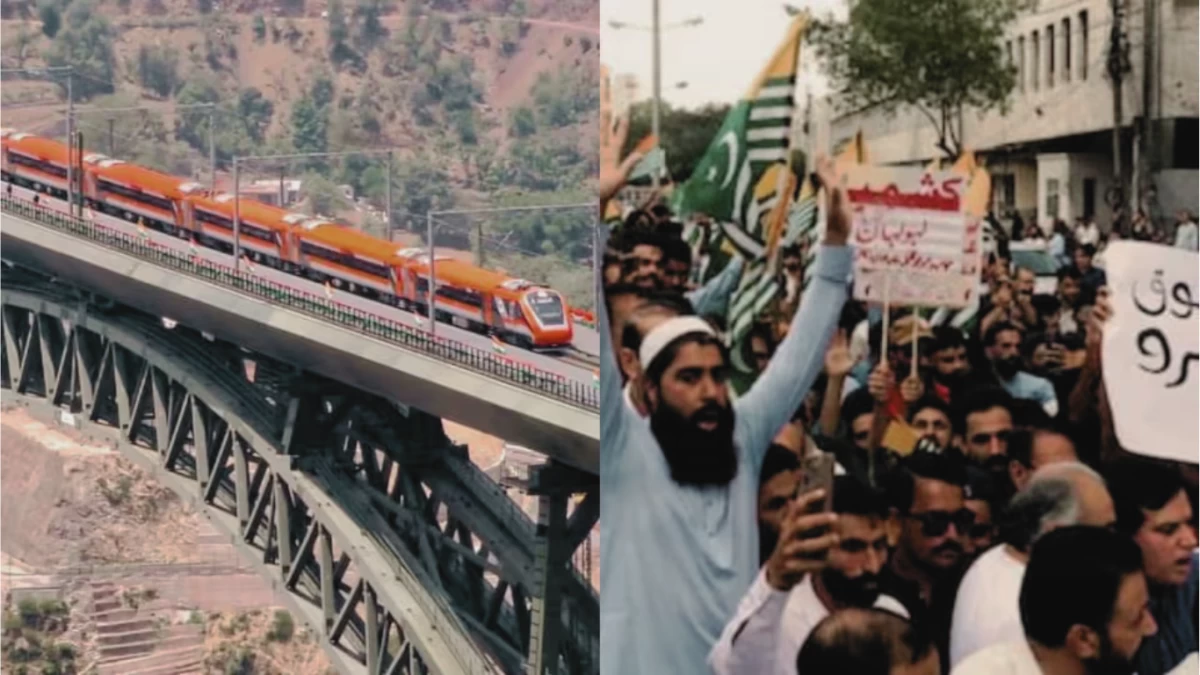
PoK Voices Grow Louder: Why Calls for Trade With India Are Making Headlines
For years, people living in Pakistan-occupied Kashmir (PoK) have struggled with rising prices, economic uncertainty, and concerns over local development. What began as protests over daily hardships has now evolved into a broader movement questioning political and economic policies imposed from Islamabad.
In a significant development, protest leaders in PoK have openly challenged Pakistan's establishment and demanded that trade routes be opened through India if local economic needs cannot be met through Pakistan. The statement has drawn attention across South Asia and added a new dimension to the ongoing unrest in the region.
From Economic Frustration to a Political Movement
The roots of the current unrest lie in economic difficulties faced by residents of PoK. Rising electricity tariffs, increasing wheat prices, inflation, and concerns about resource distribution triggered large-scale demonstrations that began in 2024.
Initially, the movement focused on everyday issues affecting ordinary families. Protesters demanded relief from rising living costs and better economic opportunities. While authorities announced some concessions, many residents believed deeper issues remained unresolved. Over time, the movement expanded beyond economics and began raising questions about governance, autonomy, and regional development.
The Demand That Sparked New Debate
At a recent gathering in Rawalakot, leaders associated with the Jammu Kashmir Joint Awami Action Committee (JAAC) delivered some of their strongest remarks yet.
According to reports, protest leaders accused Pakistan's authorities of restricting economic opportunities and failing to address local concerns. They argued that if Pakistan cannot provide adequate trade access and economic support, routes for commerce should be opened through India. The statement reflects growing frustration among sections of the population who believe economic development should take priority over political disputes.
More Than Just Trade
While the demand focuses on trade, the issue goes much deeper.
For many residents, the debate is about livelihoods. Access to markets, affordable goods, employment opportunities, and economic growth directly affect daily life. Protest leaders claim that economic restrictions have limited the region's potential and prevented people from benefiting from their geographical position.
The protests have increasingly become a platform for broader demands, including greater control over local resources and stronger representation in decision-making processes.
The Human Side of the Story
Behind every protest slogan are families dealing with real challenges.
When electricity costs rise, it affects household budgets. When food prices increase, it affects the ability of families to meet basic needs. For many residents, the movement is less about geopolitics and more about finding practical solutions to economic hardships.
This human dimension is what has allowed the protests to gain traction among ordinary citizens. Many participants say they simply want better living conditions, economic opportunities, and a greater voice in decisions that impact their future.
Why the Development Matters
The latest statements from PoK protest leaders are significant because they indicate a shift in the nature of the movement. What began as demonstrations over prices and utility bills has evolved into a wider discussion about governance, economic freedom, and regional autonomy.
Analysts believe the calls for alternative trade routes highlight growing dissatisfaction with existing economic arrangements and reflect the desire of many residents for new opportunities that could improve local livelihoods.
Looking Ahead
As protests continue and political tensions remain high, the focus will likely stay on how authorities respond to the concerns being raised by local communities.
Whether the discussion centers on trade, economic reforms, or governance, one thing is clear: the voices emerging from PoK are increasingly focused on everyday issues that directly affect people's lives.
For many residents, the demand is simple—not politics first, but prosperity, stability, and a better future
What's Your Reaction?
 Like
0
Like
0
 Dislike
0
Dislike
0
 Love
0
Love
0
 Funny
0
Funny
0
 Wow
0
Wow
0
 Sad
0
Sad
0
 Angry
0
Angry
0
















Comments (0)